Start of main content

November 13, 2024
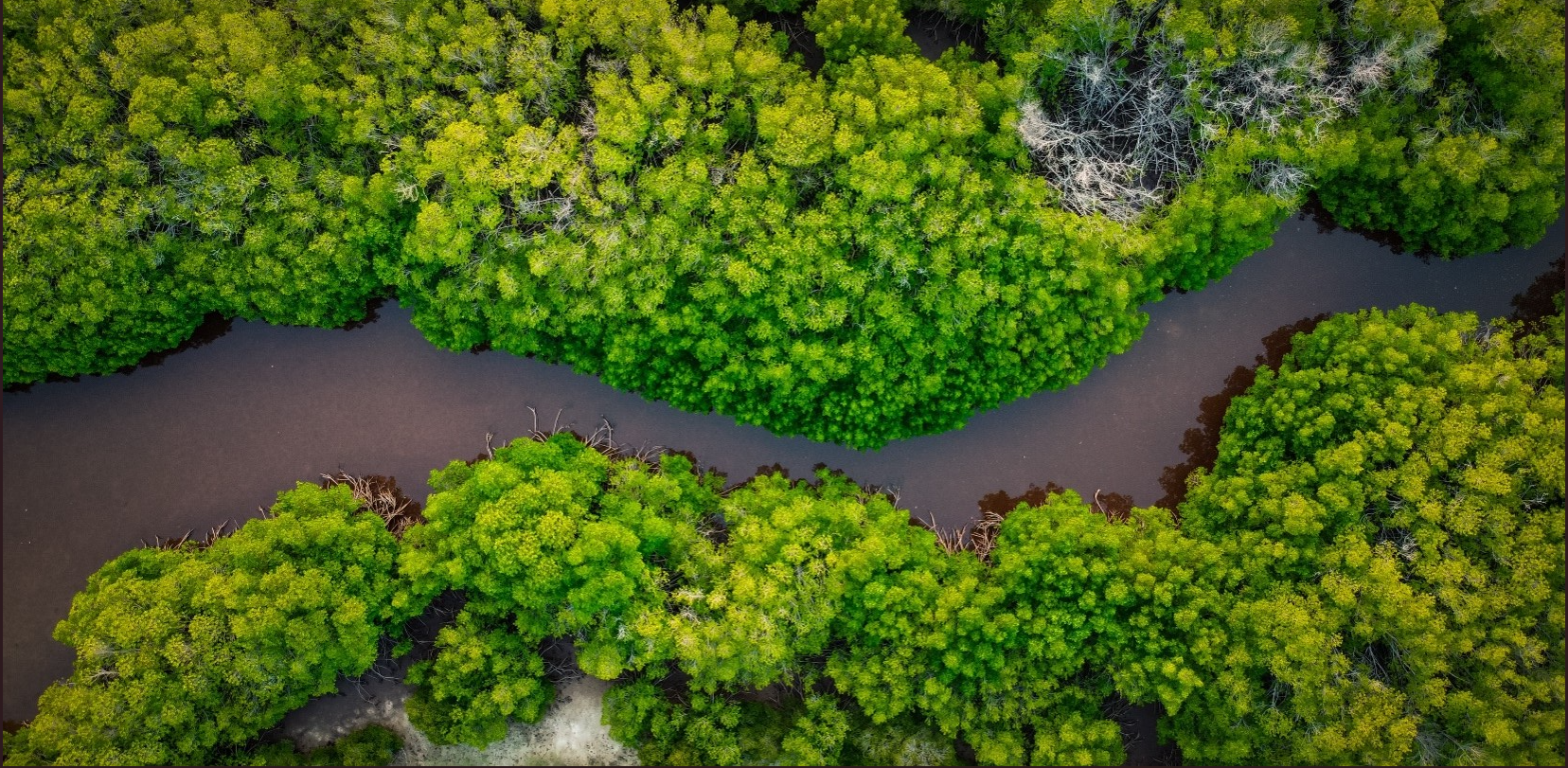
trees along river

GAIA – US$ 1.48 billion blended finance platform for climate projects in emerging markets and developing economies – commercial agreement on significant terms

Press Release

At COP29, Canada’s bilateral Development Finance Institution, FinDev Canada, MUFG Bank, Ltd. (MUFG), the Green Climate Fund (GCF) and Climate Fund Managers are near to reaching an agreement towards launching GAIA, a US$ 1.48 billion blended finance platform that aims to support high-impact climate adaptation and mitigation projects in up to 25 emerging markets and developing economies, marking a significant mobilization of climate finance.

Summary of Anticipated Development Impacts

MARKET DEVELOPMENT

  • Strengthen local economies: GAIA will deploy long‑term capital in local and hard currencies in up to 19 EMDEs, including least developed countries (“LDCs”) and small island developing states (“SIDS”), where financing needs are greatest. In structuring and implementing investments, GAIA seeks to enhance local capacity to arrange effective climate‑focused blended finance structures, aiming to foster replication and scaling of institutional and private capital mobilization for climate adaptation and mitigation across EMDEs.

GENDER EQUALITY

  • Promotes gender inclusion across climate finance projects: All GAIA‑financed projects will conduct robust gender assessments to inform and implement Gender Action Plans (“GAPs”) tailored to specific project contexts. These plans will promote women’s participation as leaders and employees, ensuring the delivery of gender‑sensitive climate projects. GAPs will also address gender‑responsive safeguarding measures and women’s equal access to project benefits.

CLIMATE AND NATURE ACTION

  • Contribute to the transition to a low‑carbon and climate resilient economy: GAIA will deploy capital to support projects aligned with nationally determined contributions (“NDCs”) and national adaptation plans (“NAPs”). It will allocate at least 70% of its capital to climate adaptation projects (e.g., ecosystem resilience, sustainable agriculture, water management, and resilient infrastructure) in markets most severely impacted by, and least equipped to respond to, climate change. The platform will also provide financing to mitigate climate change (e.g., clean energy generation, low‑carbon transport)