Start of main content

Press releases
June 20, 2025
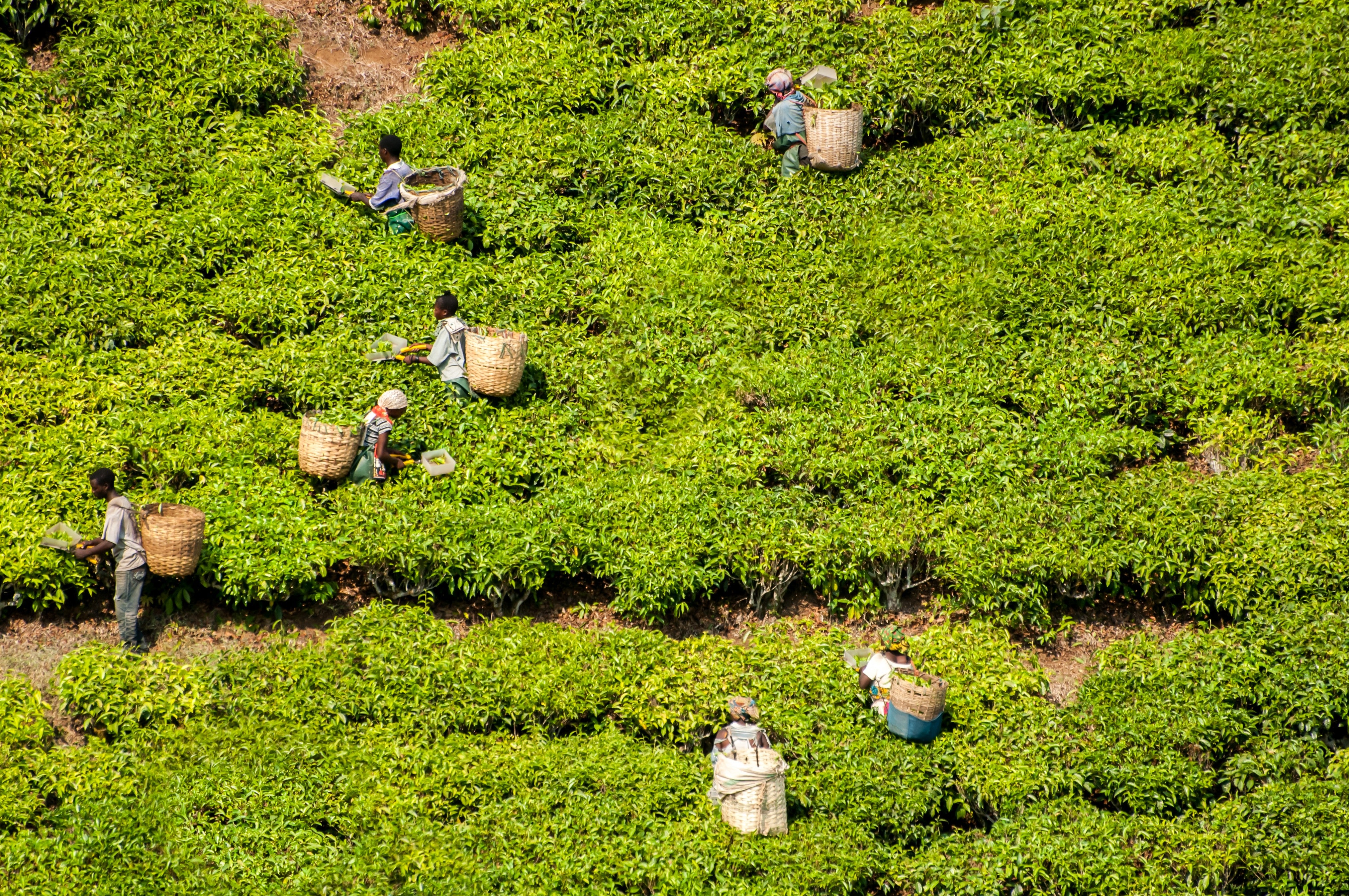
Agriculture in Tanzania

FinDev Canada commits USD 60 million to CRDB Bank Plc to promote climate finance, empower women, and strengthen financial support for local enterprises in Sub-Saharan Africa

Press Release

FinDev Canada, announces a USD 60 million loan to CRDB Bank Plc, the largest commercial bank in Tanzania. The financial commitment will strengthen economic development, promote women’s financial inclusion, and support climate action in Sub-Saharan Africa. This is FinDev Canada’s first commitment in Tanzania.

Summary of Anticipated Development Impacts

MARKET DEVELOPMENT

  • Strengthening MSMEs and agricultural value chains: MSMEs account for over 95% of businesses in Tanzania1, and agriculture employs over two‑thirds of the workforce.2 With more than 40% of proceeds earmarked for MSME3 financing and CRDB Bank being a leading lender to the agricultural sector, this transaction is expected to expand access to finance for MSMEs, (including those operating in the agriculture sector and smallholder farmers). This is particularly relevant in Tanzania, a least developed country where 45% of the population lives on less than USD 2.15/day and 63% reside in rural areas

GENDER EQUALITY:

  • Promoting access to finance for women entrepreneurs: Women‑owned or led MSMEs in Tanzania face a USD 1.7B financing gap,4 yet less than 30% of SME lending by African banks targets women.5 This transaction will allocate over 30% of proceeds to women‑owned or led MSMEs, including those under Malkia program. CRDB Bank’s Malkia program offers reduced collateral requirements, preferential interest rates, and non‑financial services such as mentorship and training, may further support women entrepreneurs.
  • 2X Qualification under the direct employment criteria and portfolio criterion: Women represent 45% of employees (satisfying the 2X threshold of 45% in financial services) and have access to initiatives that promote their retention and career development at the Bank, and 30% of the transaction’s proceeds will be directed towards women‑owned or led MSMEs. The Bank will work on expanding the grievance redressal mechanism to include gender considerations at the portfolio level, ensuring gender safeguards are in place as a pre‑condition to quality employment.
  • Promoting women’s leadership and decent employment: CRDB Bank launched the SHE program, which includes initiatives such as the IFC 100 women leadership program; mentoring circles; She Talks sessions on career progression and financial management. The Bank also updated its policies to be more gender inclusive including raising its parental leave to above minimum legal requirements (maternity leave: 100 days vs. 84; paternity leave: 7 days vs. 4), implementing a working from home policy, offering gender‑responsive health insurance (e.g., IVF treatment, pre & post‑natal maternity care); and ensuring gender‑balanced interview panels.

CLIMATE AND NATURE ACTION

  • Support green lending for the transition to a low‑carbon economy: Tanzania is vulnerable to the impacts of climate change, such as frequent droughts and changing precipitation patterns – particularly impacting agribusinesses and smallholder farmers. The country’s climate financing gap is estimated at USD 3.4B annually6 .This transaction will allocate over 30% of proceeds to climate finance projects aligned with the MDB Common Principles, including renewable energy, biodiversity conservation, sustainable water management, and green buildings. CRDB Bank also aims to strengthen GHG emissions measurement and reporting within its operations.


1 Tanzania Chamber of Commerce, Industry and Agriculture.
2 International Labour Organization. ILOSTAT. 2020.
3 CRDB’s MSME definition under its Green, Social and Sustainability Framework is: (i) Microenterprises: businesses 
with loan requirements up to TZS 50M (~USD 20k); (ii) SMEs: businesses with loan requirements between TZS 50M 
– 5B (~USD 25k – 1.5M)
4 The WSME definition under CRDB’s Green, Social and Sustainability Framework is: an enterprise which is: (a) at least 
for 51% owned by a woman or by women, or (b) (i) at least 20% owned by a woman or by women, (ii) with a woman 
as CEO, COO, President, or Vice President and (iii) if such enterprise has a board of directors, with at least 30% of 
such board of directors comprised of women.
5 European Investment Bank. Finance in Africa. 2023.
6 African Development Bank. Tanzania Economic Outlook. 2023.